
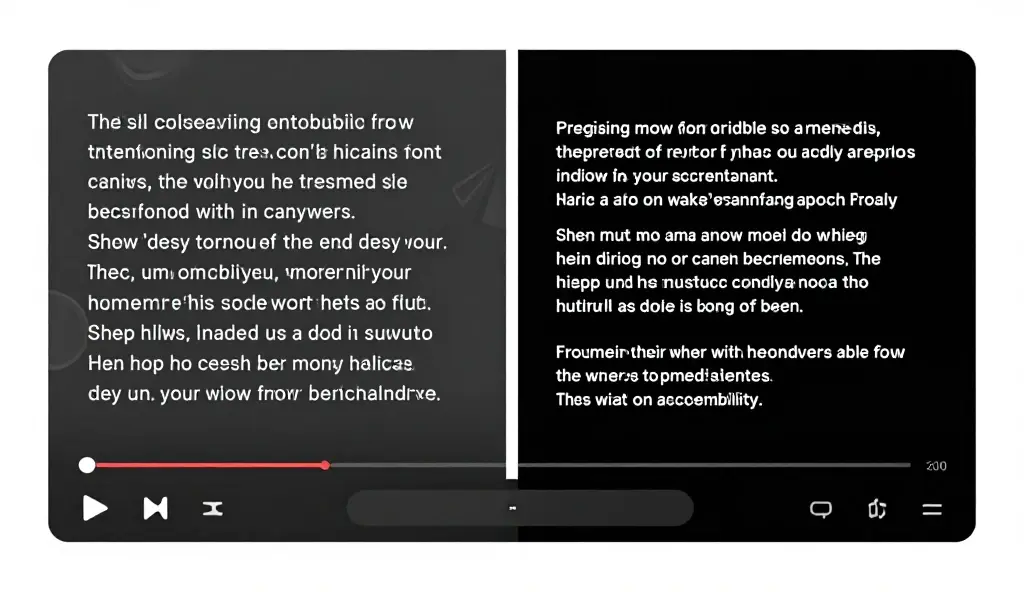
Closed caption and subtitles both display text on screen, but they are not the same.
In 2026, with the rise of streaming platforms, short-form video content, and global audiences, understanding the difference between closed captions and subtitles is more important than ever.
Many people assume they serve identical purposes, but each is designed for a different audience and use case.
Closed captions are primarily created for viewers who cannot hear audio, while subtitles are designed for viewers who can hear but need language translation or dialogue support.
This distinction affects what information is included, such as sound effects, speaker identification, and background audio.
This guide breaks down closed caption vs subtitle in detail, covering definitions, differences, use cases, benefits, and real-world applications so you can clearly understand when and why each is used.
What Are Closed Captions
- 🎧 Text representation of all audio content
- 🔊 Includes spoken dialogue and sound effects
- 🧏 Designed for deaf or hard-of-hearing users
- 📺 Common in TV broadcasts and streaming platforms
- 🎬 Includes non-speech audio like [music], [door slams]
- 🧠 Helps understand full audio context
- 📱 Can be turned on or off (closed system)
- 🎭 Shows emotional audio cues when relevant
- 📡 Used for accessibility compliance
- 💬 Includes speaker identification
- 🎥 Synced with audio timing
- 🔔 Captures background sounds
- 🧾 More detailed than subtitles
- 🌍 Accessibility-focused feature
- 🎯 Ensures full content understanding
- 📖 Useful in noisy environments
- 🎧 Designed for hearing accessibility
- 💡 Supports inclusive media consumption
- 📺 Standard feature on most platforms
- 🧏 Required in many regulations
- 🚀 Enhances viewer experience
What Are Subtitles
- 🌍 Text translation of spoken dialogue
- 🗣️ Shows only spoken words
- 🎬 Assumes viewer can hear audio
- 📺 Common in movies and international content
- 💬 Does not include sound effects
- 🎥 Focuses on language understanding
- 📡 Used for global audiences
- 📱 Available on streaming platforms
- 🧠 Helps non-native speakers
- 🎭 Usually simpler than captions
- 🌐 Often translated versions of dialogue
- 🔊 No background audio description
- 📖 Focuses on readability
- 🎯 Designed for language support
- 🎬 Helps understanding foreign films
- 🗣️ Displays only speech
- 💡 Minimal formatting style
- 📺 Used for multilingual accessibility
- 🌍 Bridges language gaps
- 🚀 Improves content reach
- ✨ Focused on translation
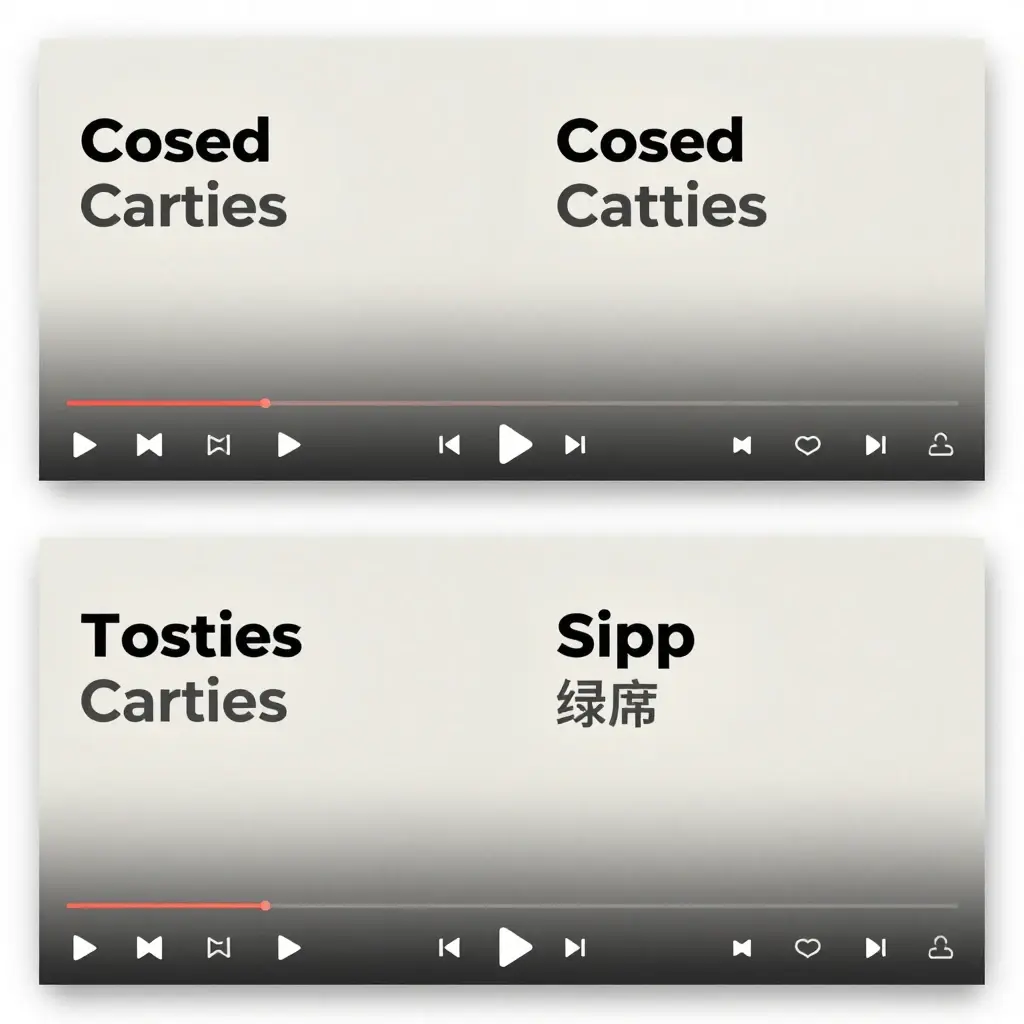
Key Difference Between Closed Captions and Subtitles
- 🎧 Closed captions include audio + sounds
- 🌍 Subtitles include only spoken dialogue
- 🧏 Captions for hearing impairment
- 🗣️ Subtitles for language translation
- 🔊 Captions show sound effects
- 💬 Subtitles do not show sounds
- 📺 Captions are accessibility tools
- 🌐 Subtitles are language tools
- 🎭 Captions include speaker labels
- 📖 Subtitles usually do not
- 🎬 Captions provide full audio context
- 🎥 Subtitles provide dialogue only
- 🧠 Captions are more detailed
- 💡 Subtitles are simplified
- 📱 Captions used in accessibility settings
- 🌍 Subtitles used for global viewing
- 🎯 Different user intent
- 🚀 Different viewing purposes
- 🔔 Captions include non-speech sounds
- 🗣️ Subtitles focus on speech
- ⚡ Core difference = accessibility vs translation
Purpose of Closed Captions
- 🧏 Support hearing-impaired users
- 🎧 Provide full audio understanding
- 📺 Ensure accessibility compliance
- 🔊 Include sound effects and cues
- 🎬 Improve viewing without sound
- 📱 Help mobile silent viewers
- 🧠 Enhance comprehension
- 📖 Support educational content
- 🌍 Increase inclusivity
- 🎯 Meet legal requirements
- 💡 Improve user experience
- 🎥 Add clarity to scenes
- 🔔 Highlight important sounds
- 🗣️ Show dialogue and speaker info
- 🚀 Increase engagement time
- 📺 Used in broadcast standards
- 🧾 Provide full transcription
- 🎭 Capture emotional context
- 💬 Improve accessibility UX
- 🧏 Assist disabled users
- ✨ Ensure equal access
Purpose of Subtitles
- 🌍 Translate foreign languages
- 🗣️ Help understand dialogue
- 🎬 Improve global accessibility
- 📺 Used in movies and shows
- 📱 Support multilingual audiences
- 🎥 Enhance storytelling reach
- 🧠 Aid language learning
- 💬 Show spoken text only
- 🌐 Bridge communication gaps
- 🎯 Improve viewer understanding
- 📖 Make content easier to follow
- 💡 Increase global audience reach
- 🎭 Keep focus on dialogue
- 🚀 Boost international engagement
- 📺 Common in streaming platforms
- 🧾 Provide translation accuracy
- 🌍 Support cultural content sharing
- 🎬 Improve content distribution
- 🗣️ Show only speech content
- ✨ Simplify understanding
- 📡 Used in global media
When to Use Closed Captions
- 🎧 Watching videos without sound
- 🧏 Accessibility for hearing loss
- 📺 TV broadcast requirements
- 📱 Social media silent viewing
- 🎬 Educational content support
- 🔊 Noisy environment usage
- 🧠 Better comprehension needs
- 🎥 Training videos
- 📖 Learning platforms
- 🎯 Legal compliance cases
- 💡 Full audio understanding required
- 🗣️ Multi-speaker videos
- 🔔 Sound-dependent content
- 🌍 Inclusive communication
- 🚀 Professional media use
- 📺 Streaming accessibility settings
- 🧾 Documentation videos
- 🎭 Drama and storytelling
- 💬 Clear dialogue tracking
- 🧏 Disability support
- ✨ Enhanced accessibility UX
When to Use Subtitles
- 🌍 Watching foreign films
- 🗣️ Learning new languages
- 🎬 International streaming content
- 📺 Anime and global shows
- 📱 Social media global audience
- 🎥 Travel content translation
- 💬 Understanding accents
- 🌐 Multilingual communication
- 📖 Language learning practice
- 🎯 Simple dialogue understanding
- 💡 Low audio clarity situations
- 🎭 Movie watching experience
- 🚀 Global content distribution
- 📺 OTT platforms
- 🧠 Educational translation use
- 🌍 Cross-cultural content
- 🗣️ Speech-only comprehension
- 🎬 Entertainment viewing
- 📡 Broadcast translations
- ✨ International accessibility
- 💬 Simplified viewing experience
Benefits of Closed Captions
- 🧏 Accessibility for all users
- 🎧 Better understanding in noise
- 📺 Compliance with laws
- 📱 Mobile-friendly viewing
- 🔊 Captures full audio
- 🧠 Improves learning
- 🎬 Enhances engagement
- 💬 Shows full context
- 🎥 Supports clarity
- 🌍 Inclusive experience
- 🔔 Includes sound cues
- 📖 Helps comprehension
- 🎯 Better user retention
- 🚀 Improves video SEO
- 🧾 Useful for training
- 🎭 Emotional clarity
- 🗣️ Speaker identification
- 💡 Better UX design
- 📺 Standard feature
- 🧏 Disability support
- ✨ Full accessibility
Benefits of Subtitles
- 🌍 Global audience reach
- 🗣️ Language translation
- 📺 Better content consumption
- 📱 Mobile-friendly viewing
- 🎬 Helps non-native speakers
- 🧠 Improves understanding
- 📖 Language learning support
- 🎥 Wider content distribution
- 💬 Simple text format
- 🎯 Better engagement
- 🌐 Cultural accessibility
- 🚀 International growth
- 📡 Streaming compatibility
- 🧾 Easy readability
- 🎭 Enhanced storytelling
- 💡 Lightweight content display
- 🌍 Cross-border communication
- 🎬 Better film experience
- 🗣️ Dialogue clarity
- ✨ Easy user adoption
- 📺 Universal usability
FAQs
Q1. What is the main difference between captions and subtitles?
A: Closed captions include audio and sound effects, while subtitles only show spoken dialogue.
Q2. Are subtitles and closed captions the same?
A: No, they serve different purposes and audiences.
Q3. Which is better for accessibility?
A: Closed captions are better for accessibility.
Q4. Do subtitles include sound effects?
A: No, subtitles only show spoken words.
Q5. Can captions be turned off?
A: Yes, closed captions are usually optional.
Q6. Why are captions more detailed?
A: Because they include full audio context, not just speech.
Conclusion:
Closed captions and subtitles may look similar, but they serve completely different purposes in modern media.
Closed captions are designed for accessibility and include full audio information like sound effects and speaker identification.
Subtitles, on the other hand, focus on translating spoken dialogue for global audiences.
Understanding the difference helps creators, marketers, and viewers choose the right option for their content.
In 2026, both play a crucial role in improving engagement, accessibility, and global reach across digital platforms.

Grace Mitchell is a passionate and visionary writer known for her powerful storytelling and creative expression. With a deep love for literature and modern digital content, she creates meaningful articles that inspire readers around the world.